What this product does
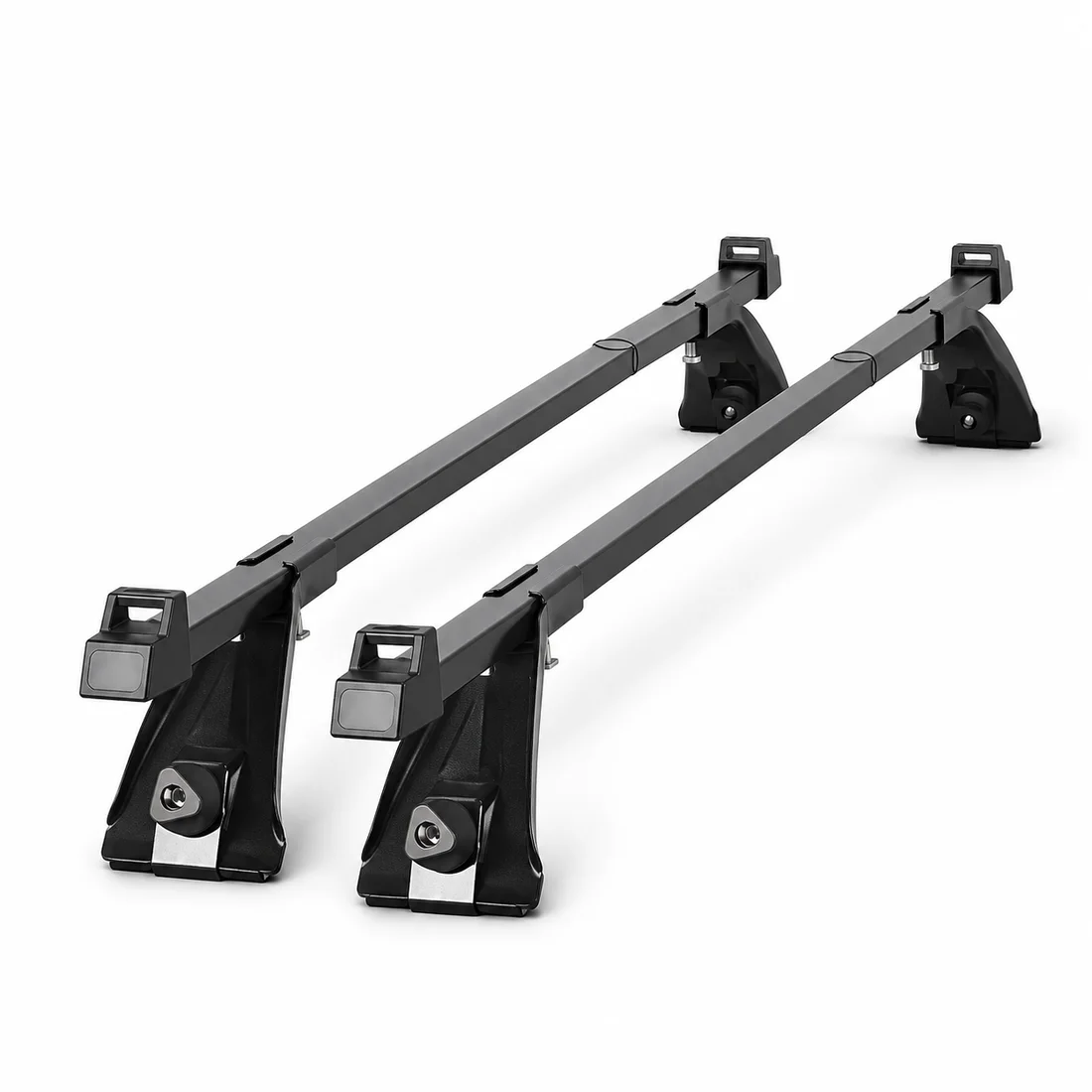
Compare black steel crossbars for vehicles with suitable roof rails. Share your roof rail profile and required span for a fit check. The intended use is adding transverse mounting points for a separate rooftop carrier. Use the information below to decide whether this product belongs in your assortment and what to confirm before you approve a bulk order.
| Item | Reference or check |
|---|---|
| Construction | Steel crossbars with locking feet shown in reference |
| Fit check | Rail profile and mounting span required |
| Intended application | adding transverse mounting points for a separate rooftop carrier |
| Measurements to provide | rail cross section, clearance under the rail, and distance between the two rails at each mounting point |
| Sample checks | Inspect the contact pads, locks and fasteners. Check whether the feet seat evenly, whether the bars can be set square to the rails, and how the intended carrier connects. |
| Evidence to request | an approved installation drawing and a load test that identifies the bars, feet, rail interface and load conditions |
Where it fits and how to measure
A raised rail has space below it. A flush rail or fixed mounting point may require a different attachment system. Check both cross bar positions because rail spacing can change toward the rear. Record rail cross section, clearance under the rail, and distance between the two rails at each mounting point. Include photos of the relevant area and identify the make, model, year and trim if known. Have the supplier compare the measurements with the specific configuration offered. A vehicle name alone may not identify the rail, seat or cargo layout.
How to use and evaluate a sample
Lay the parts out and identify each foot and fastener. Compare the parts with the supplied installation diagram. Confirm which side of each foot contacts the rail and check the allowed position on that vehicle. Follow the approved torque and installation instructions for the kit. Check the roof and sunroof clearance before fitting a separate carrier. Document the steps you actually used and note any tools, clearance or preparation needed. If the physical sample differs from the drawing or the photos, resolve the difference before using those materials for a retail listing.
Problems buyers want to avoid
A bar may span the roof yet its clamp may fail to seat around the rail. A sunroof may also clear a bare cross bar but contact the hardware for the intended carrier. Report the gap, rail shape and mounting location with photographs. Do not compare a roof rating with a bar rating without checking what each figure covers. Ask how the vehicle maker accounts for the combined weight of the rack and cargo. For noise complaints, record the vehicle, mounting position and installed accessories instead of treating every whistle as a defect in the bar.
What to verify before ordering
Inspect the contact pads, locks and fasteners. Check whether the feet seat evenly, whether the bars can be set square to the rails, and how the intended carrier connects. Request an approved installation drawing and a load test that identifies the bars, feet, rail interface and load conditions. Keep the sample identifier, the drawing revision and photos together. Record which conditions passed, which remain open and any change you requested. A written sample approval makes it easier to compare incoming stock with the version your team reviewed.
How to request a comparable wholesale quote
Send the requested product and variant, quantity by item, destination and packaging requirements. Ask for a unit price at that quantity, the minimum order for the configuration, sample cost and production lead time. Request units per carton, outer dimensions and gross weight, along with the stated delivery terms. Compare quotations for the same configuration and destination. If a quote changes the material, hardware or packing, ask for a revised specification before approving it. For a mixed order, confirm quantities and packing separately for each item.
Prepare the listing and repeat order
Use measurements and images for the approved sample. Label the product and carton with the identifier that appears on the quotation. Record the verified fit conditions, the items included in the package and the customer questions that the instructions should answer. Confirm any artwork and image permissions before sharing materials with a retailer. When reordering, reference the approved sample and ask whether the configuration, packaging or specifications have changed. This gives your receiving team a consistent set of details to check when the shipment arrives.